Optum
I led the re-design of Script Check, which is on-premise software used by pharmacies nationwide to manage and dispense medication. It was originally developed 20 years ago and has a legacy UI which cannot be changed. The purpose of the project was to improve the usability, speed and accuracy of how medication is managed and dispensed.
We delivered the project ahead of schedule without sacrificing our user-centred process or quality. This was a major project for Optum with several contract renewals relying on its success. These contracts have been renewed, securing millions in revenue for years to come.
DISCOVERY
Understanding how it works
ScriptCheck is a legacy product with an outdated UI and usability issues, but pharmacists are used to it and know how it works. It’s over-complicated and bloated with huge, complex datasets of sensitive information. Because the software is on premise, it doesn’t have to adhere to WCAG standards.
I organised several calls with the trainers and our clinical team to understand the processes, interactions, and data, whilst gathering any insights and feedback to improve the software. I used these findings to map out the current flows and information architecture.
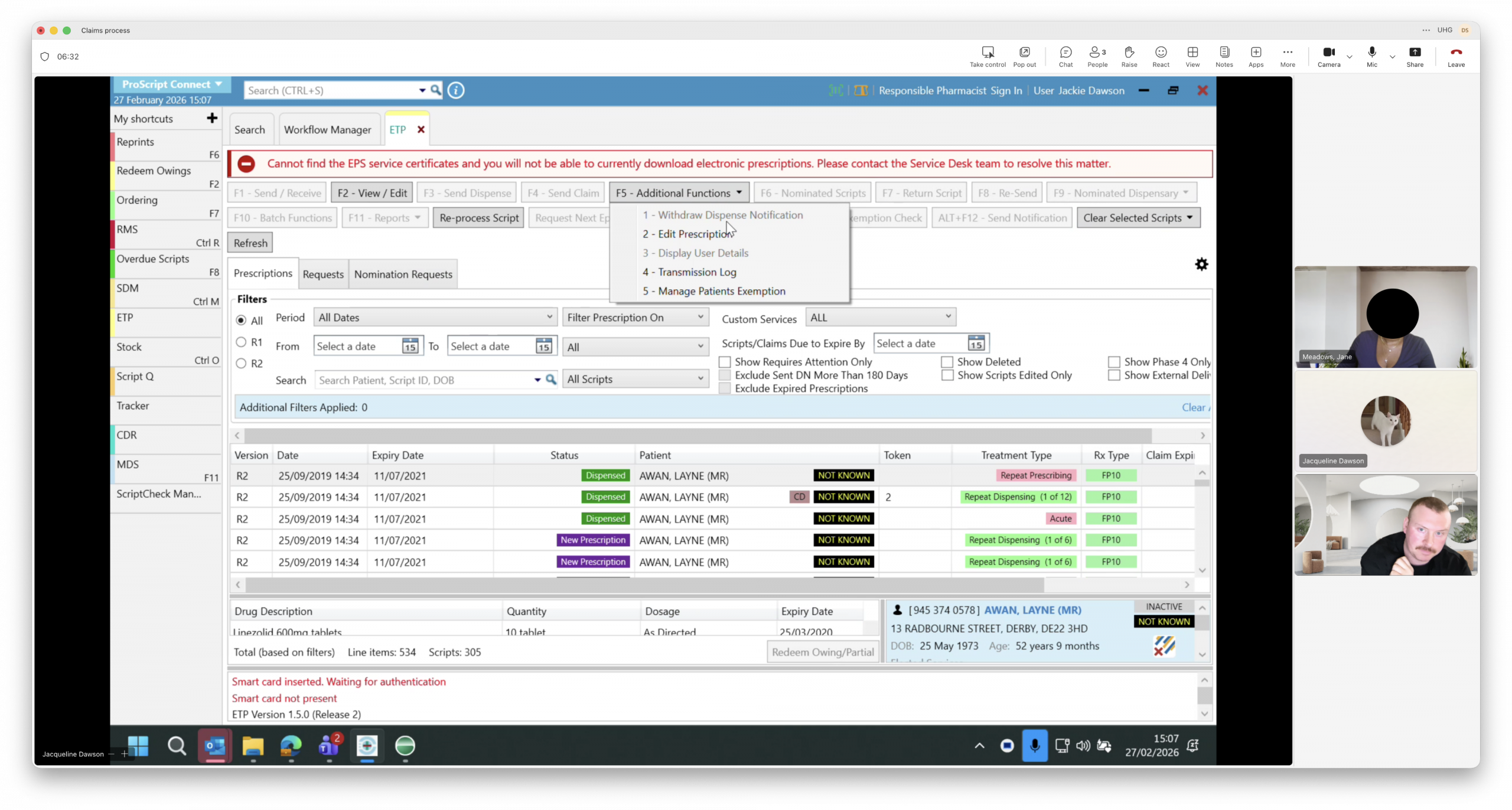
A call with trainers to understand the current system.
DEFINE
Exploring what could be
ScriptCheck is a complex product that had grown over the years without design input or a clear vision for how it all fit together. It wasn't clear why certain features existed, how they worked, or whether they were serving users' needs.
To address this, I facilitated a How Might We workshop with a cross-functional group — our technical lead, clinical safety officer, product manager, and design and research colleagues. Together we defined the biggest problems, ideated solutions, prioritised opportunities, and aligned on the scope and purpose of the redesign.
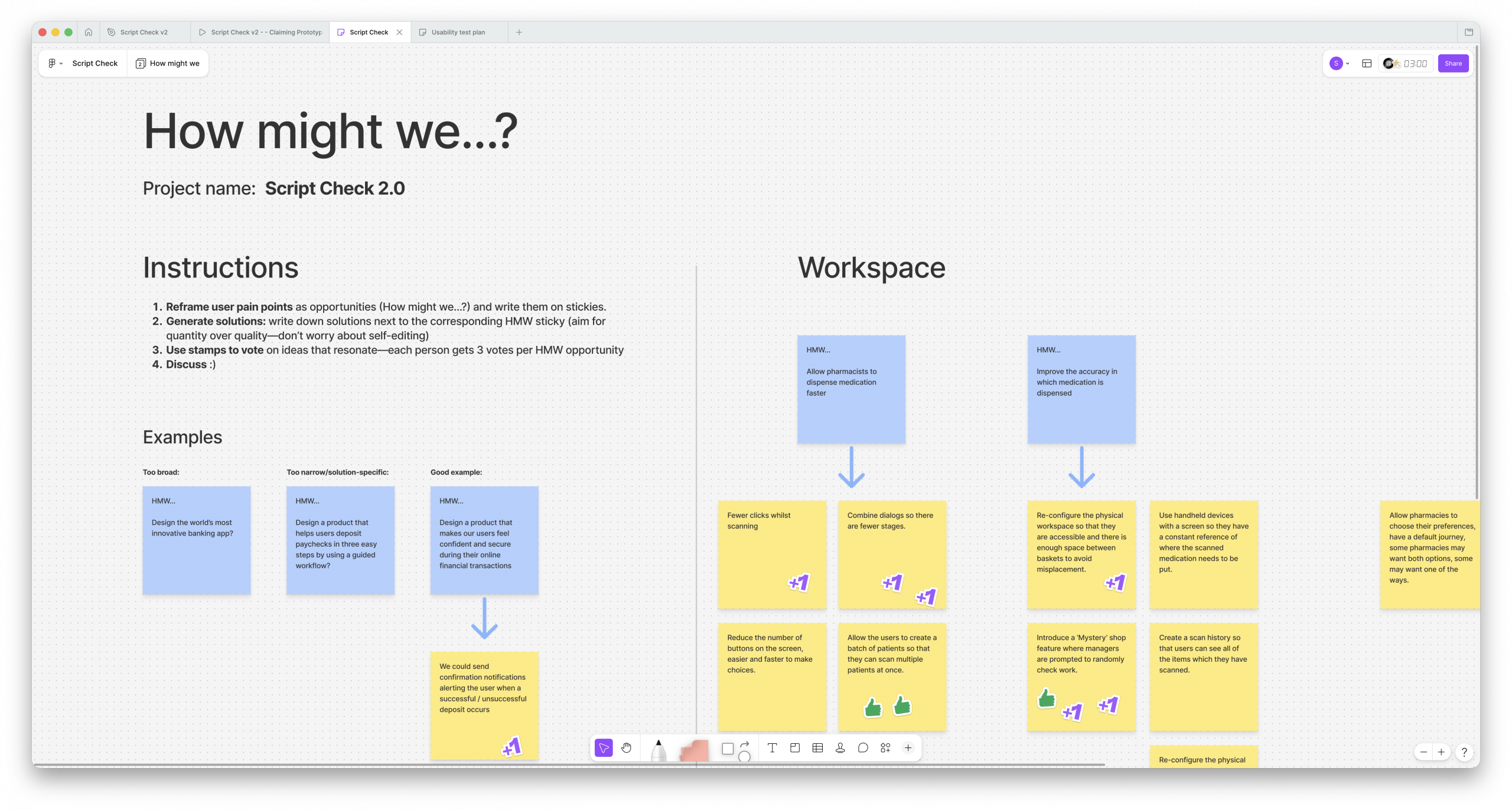
A sample of ideas and solutions from the How Might We workshop.
DESIGN AND PROTOTYPING
How does this work as a journey?
Using the wireframes and insights from the discovery phase, I created new and improved flows, removing unnecessary steps and information, making it easier for pharmacists to dispense prescriptions faster. I held regular meetings with our product manager and lead developer to sense check my work.
I then started working on the prototype, which reflected the new proposed flows. The prototype covers the end-to-end experience of dispensing medication. A pharmacist can process a single patient or create a batch of multiple patients; both were included in the prototype.
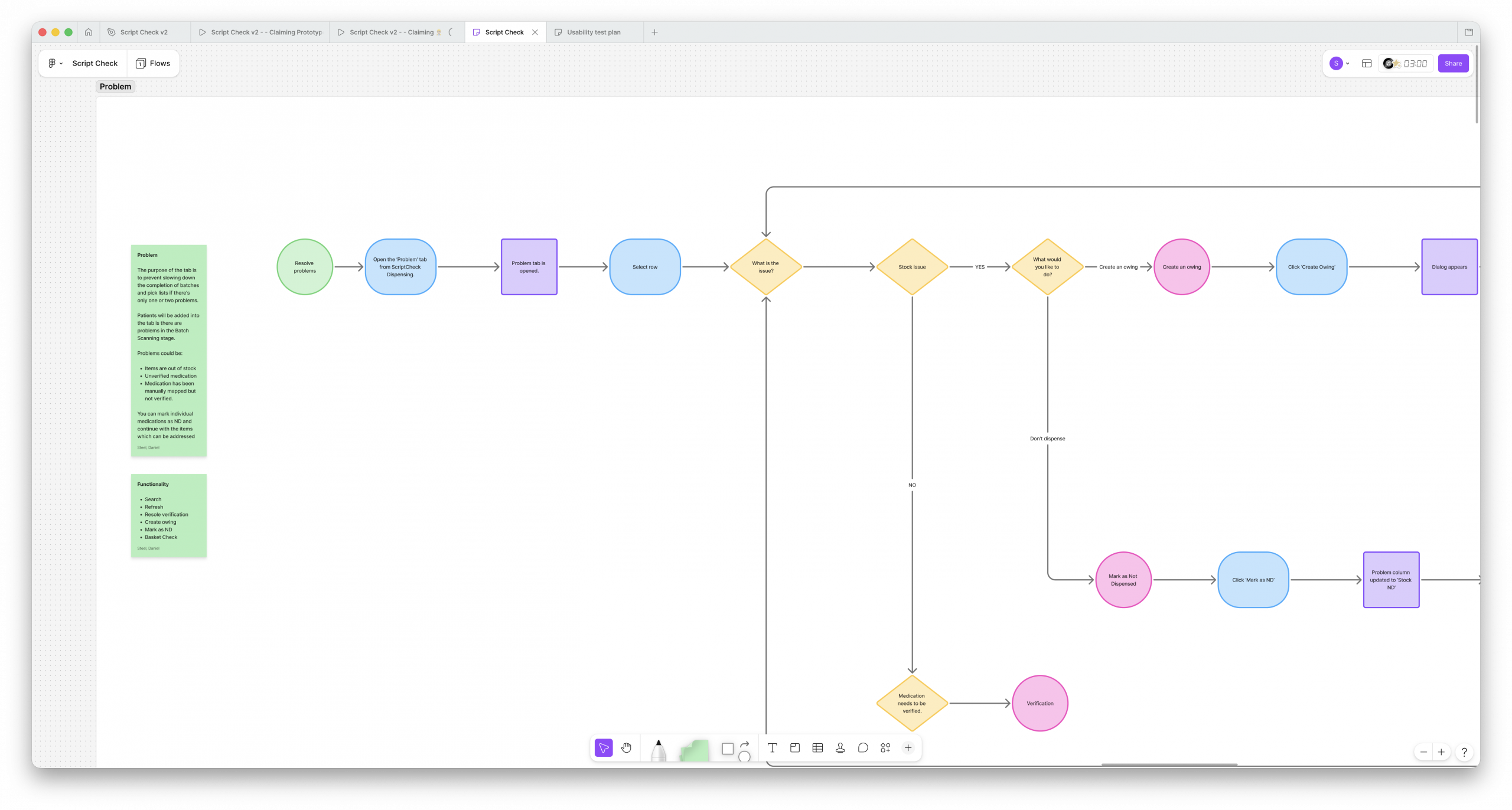
New and improved flows - created in Fig Jam.
TEST
How will our customers use it?
I was responsible for planning the research, using a lean test plan, and providing example tasks focused on the patients and use cases from the prototype. Our dedicated researchers conducted the sessions and provided the analysis.
The usability testing was positive with only minor issues to address. The participants were able to complete all tasks with ease; many commented on the ease of use and how fast it was compared to the existing system. Any minor issues were addressed during design refinement.
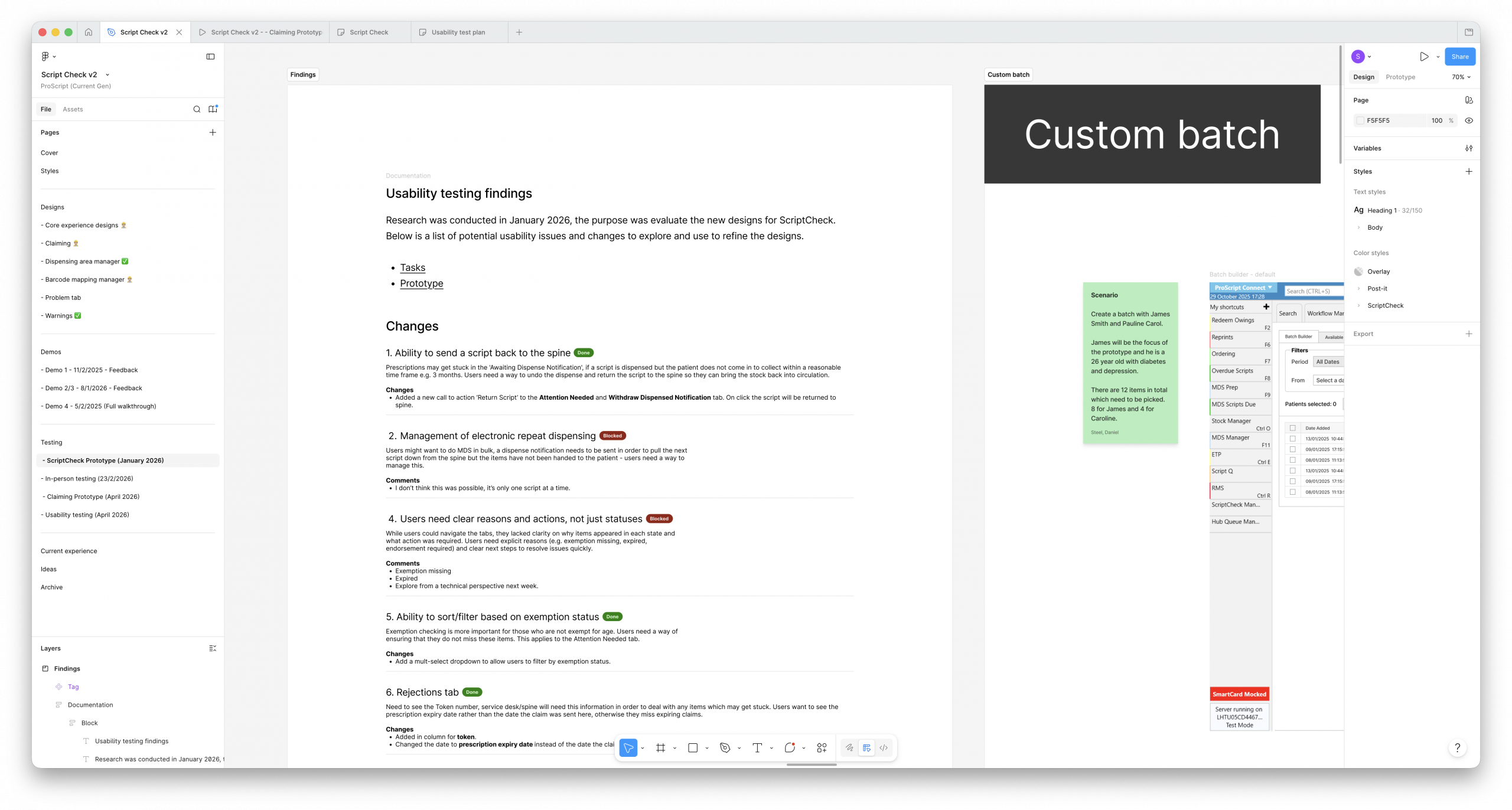
Usability testing feedback checklist - used to improve and influence the designs.
REFINE
High-fidelity design and handover
I created high-fidelity designs aligned with the current UI. Modernising the UI wasn’t in scope for this project and would be addressed in the future. Despite the constraints, I was able to make significant changes to improve the usability of the design.
I simplified the UI by prioritising the essential information and functionality. I removed unnecessary clicks from key journeys, enabling users to complete tasks faster. By working with clinical safety and our product team, I reduced the amount of data in the tables, enabling them to be scanned and understood, which is essential for use in a fast-paced pharmacy environment.
I also updated the prototype with the latest designs and shared it with the developers with accompanying documentation for the developers. The documentation included use cases, accessibility guidance and explained how the functionality works.
Usability testing feedback checklist - used to improve and influence the designs.
OUTCOME
Succesful pilot delivered ahead of schedule
ScriptCheck has now been rolled out across all 20 pilot sites, receiving outstanding feedback for its ease of use. The contracts that depended on the success of this project have been secured, retaining millions of pounds of revenue for the business.
The project was delivered two months ahead of schedule, without compromising quality or our user-centred process. The positive impact has re-energised our client relationships — pharmacists, who were previously difficult to recruit for research, are now actively wanting to participate.
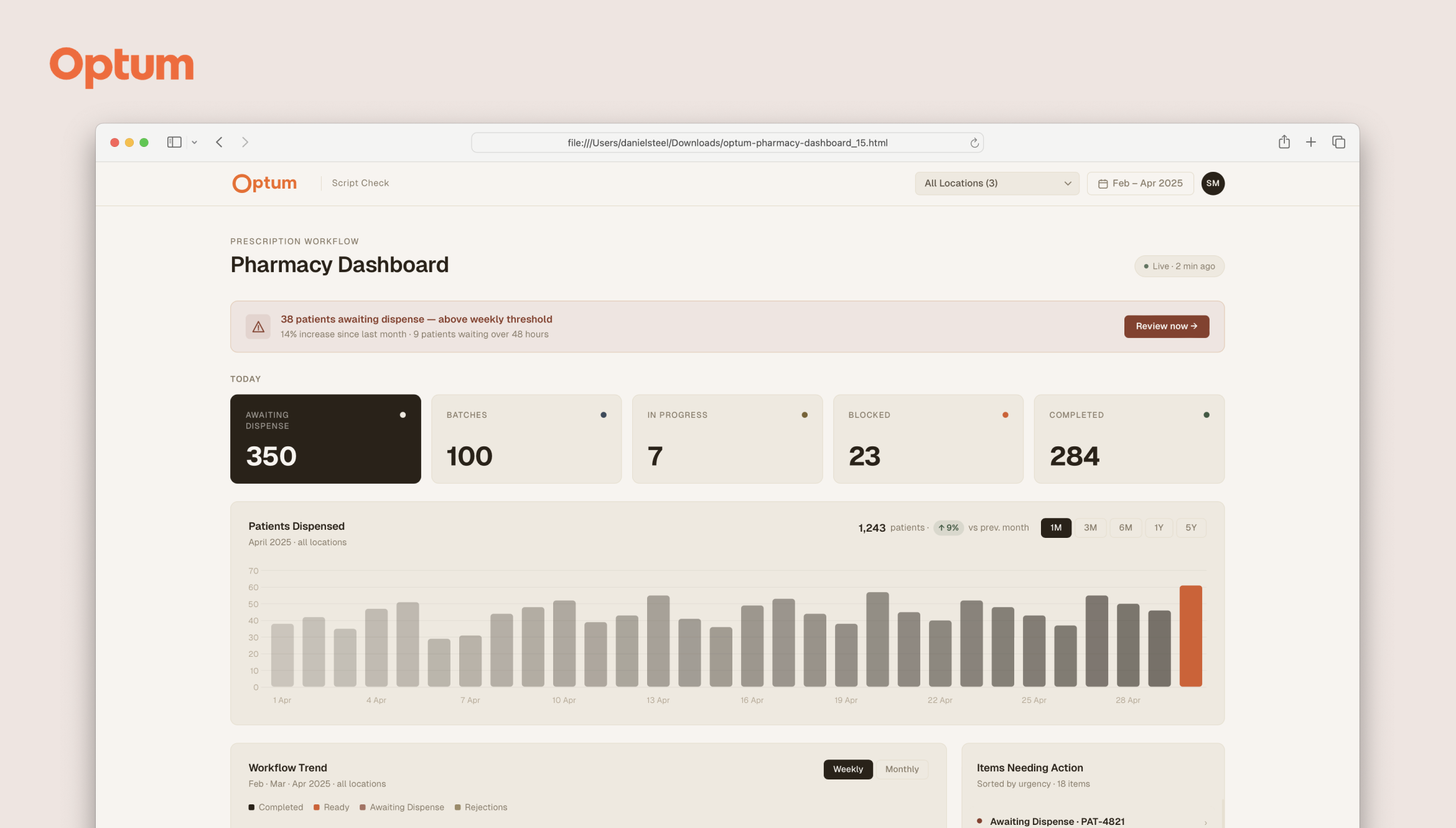
I am now exploring the next version of ScriptCheck, using AI tools to mock up fully interactive dashboards and prototype a modern UI that meets WCAG accessibility standards as the product moves to the cloud.
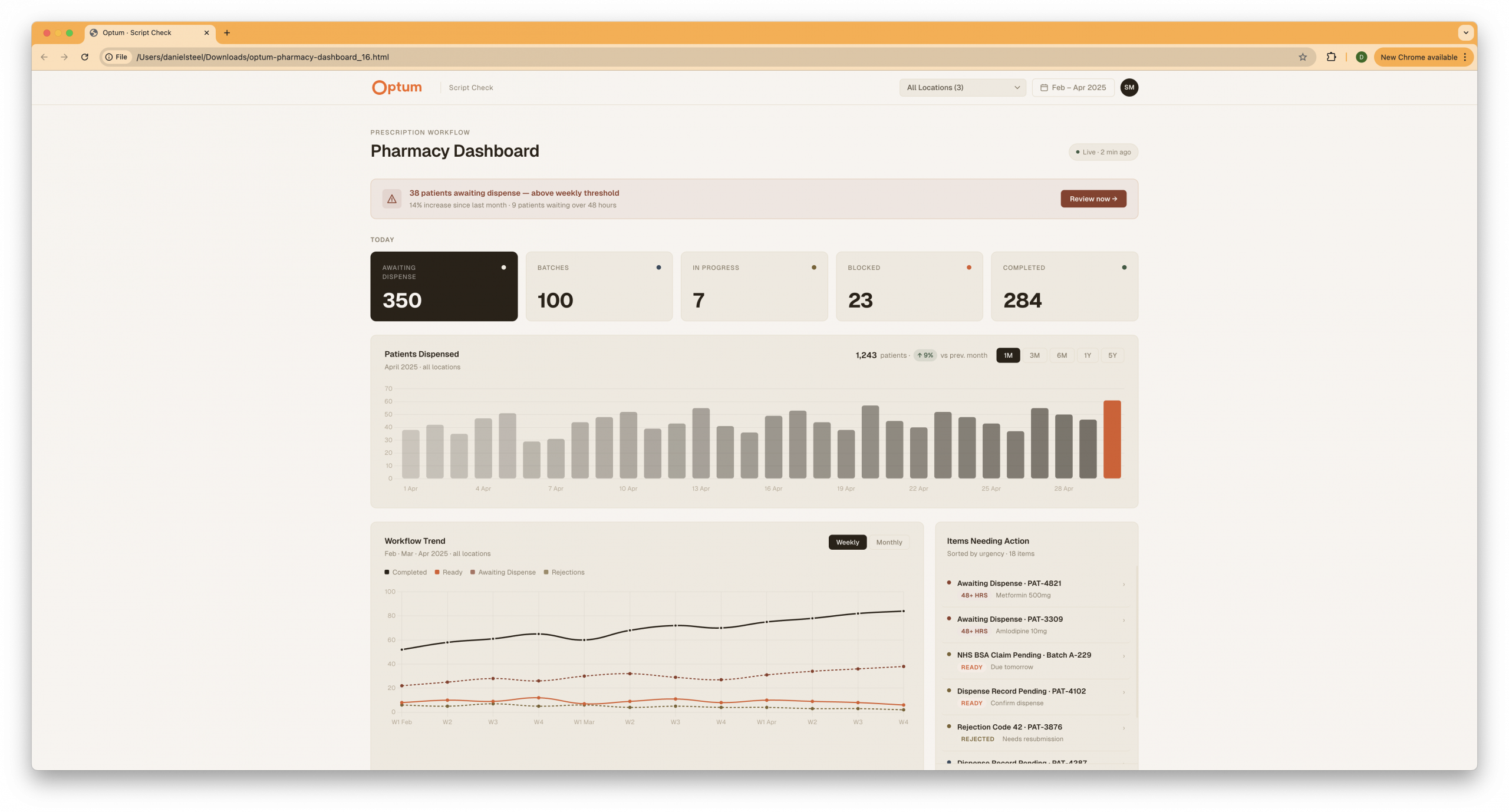
Dashboard exploration using AI.
"I had the pleasure of working alongside Daniel Steel across multiple high-profile projects, including our prescription scanning flow within community pharmacy. Daniel consistently operated at an incredible pace, playing a pivotal role in running design sprints and rapidly delivering high-quality prototypes and design assets that enabled our development team to move at speed."
Michelle Clarke - Senior Product Manager
Other work
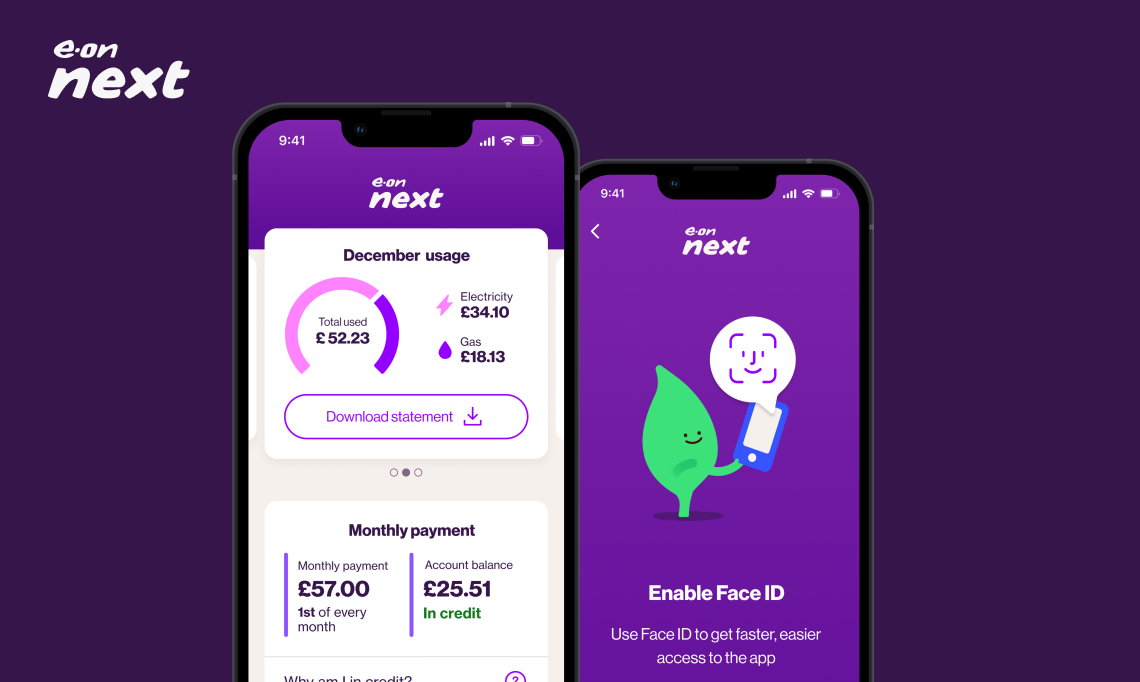
E-on NextMobile app
Talent BuilderSaaS
OnePlan EventsSaaS
British GasMobile app
Cera CareMobile app
University of NottinghamMobile app